Hydroseeding FAQ: Cost, Timing, and Lawn Care Answers
Top Hydroseeding Questions
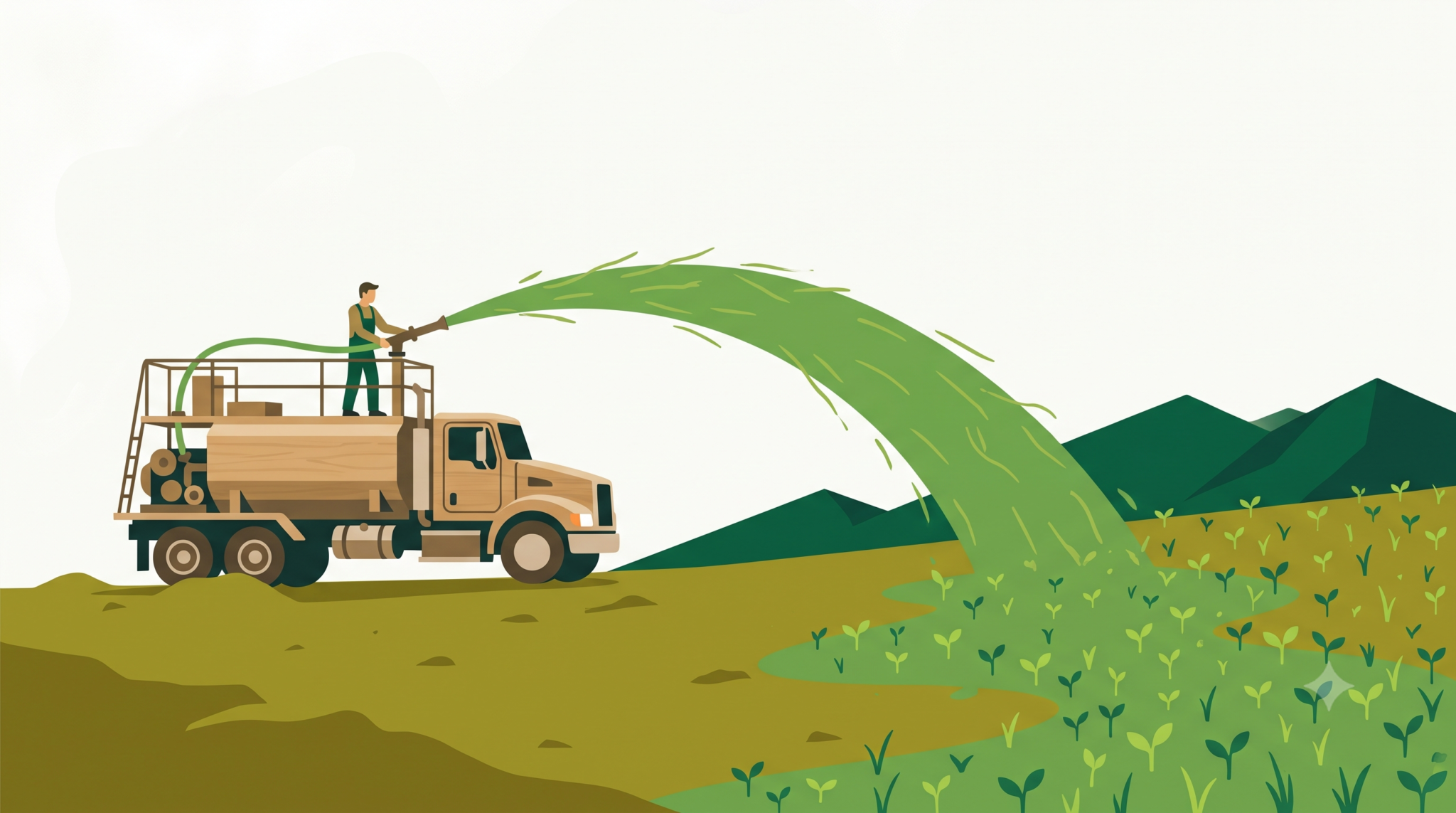
What Is Hydroseeding and How Does It Work?
Hydroseeding is a planting process where a slurry of seed, water, fertilizer, and wood fiber mulch is mixed together in a commercial-grade tank and sprayed directly into your prepared soil. It creates a micro-environment perfect for rapid seed germination.
How should I prepare my yard before hydroseeding?
Proper ground preparation is just as important as the seed itself. You should clear the area of rocks, debris and weeds, ensure rough grading is complete, and fully loosen the top 2-3 inches of soil. Import high quality planting soil or compost rich in organic matter and mix into the top layer of loose soil before final grading the site. This allows the roots to take hold quickly and provides the best growing environment possible.
When is the best time of year to hydroseed in Colorado?
The best times are during the spring (when temperatures warm up and rain aids growth) and early fall (when cooler temperatures require less watering and the soil retains heat).
How long does it take for the grass to grow?
With proper watering, you will typically see germination in 7 to 14 days. Your new lawn will usually be ready for its first mowing within 4 to 6 weeks.
How much should I water my new hydroseeded lawn?
For the first few weeks, the hydroseed mulch must be kept consistently moist (but not muddy). You will typically need to water 3 to 4 times a day for short periods. Once the grass is established, you can transition to deeper, less frequent watering.
What is the difference between Hydroseeding and Sod?
Sod is grass grown on a farm and laid over your soil like a carpet. Hydroseed grows from seed directly in your native soil, so roots reach six to twelve inches deep instead of sitting on a thin mat. Those deeper roots make the lawn far more drought tolerant once established, with no seams and no checkerboard look. On average it costs about 80% less than sod.
Native Grasses & Pastures
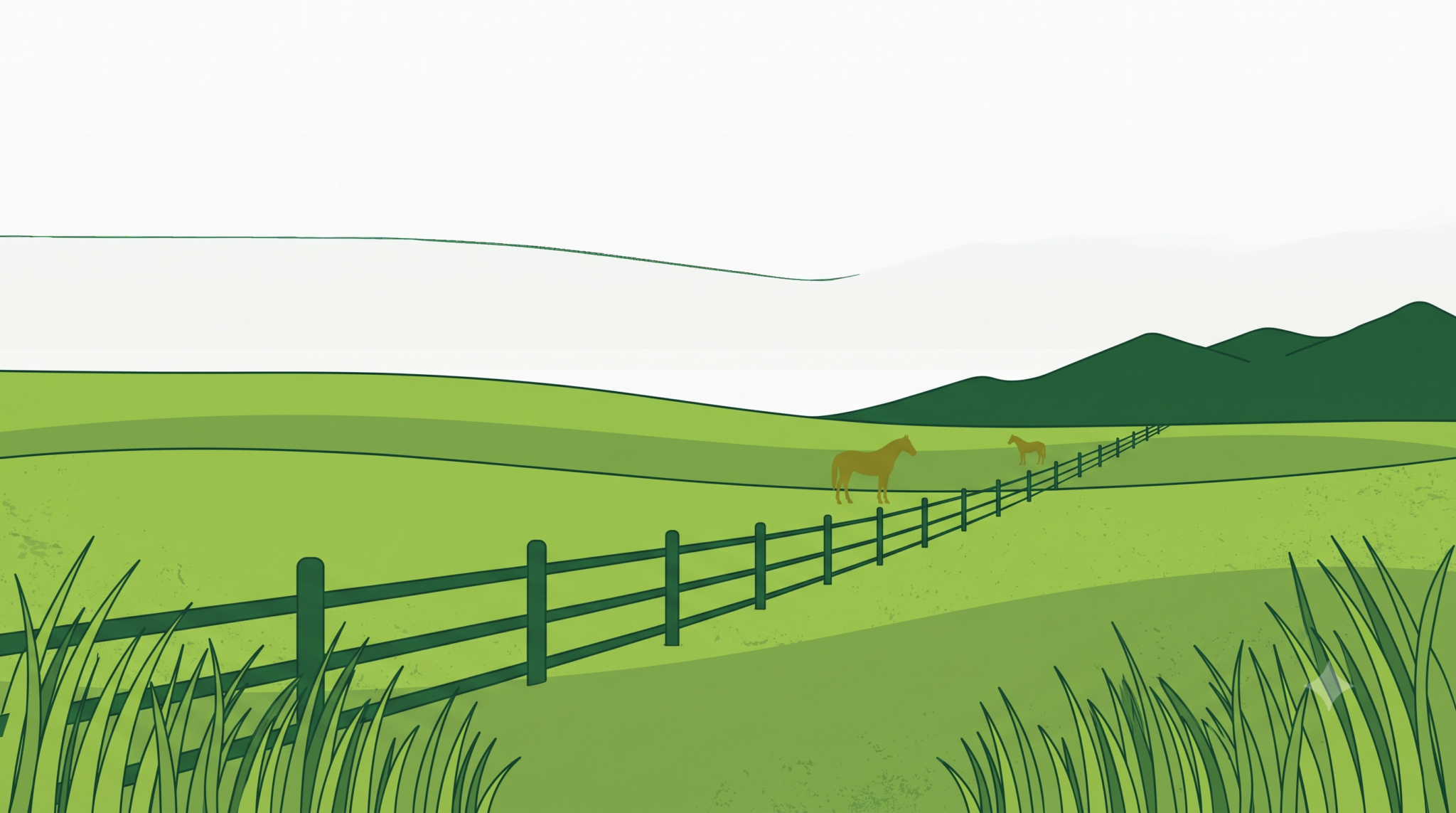
Can you help with erosion control and hillside stabilization?
Yes. We use hydraulically applied soil stabilizers, such as Bonded Fiber Matrix (BFM) or Flexible Growth Medium (FGM), to control erosion and establish vegetative growth on steep, rocky, or fire-damaged slopes.
What is drill seeding?
Drill seeding is a "no-till" planting method where our planting equipment mechanically opens a small furrow, places the seeds directly into the soil at the ideal depth, and covers them in a single pass. It is highly effective for large pastures and acreages.
This planting process can plant through existing crop or weed residue and provides planting with the least amount of soil work or disturbance possible.
Can you source Colorado native grass and wildflower blends?
Absolutely. We source and apply county-compliant Colorado native seed blends and wildflowers to match your landscape design and environmental conditions.
Do you offer pasture seed blends for livestock?
Yes, we provide specially formulated feed grass blends ideal for horse or livestock pastures. We have options suitable for both irrigated and non-irrigated land.
General & Pricing

Is hydroseeding expensive compared to laying sod?
No. Hydroseeding typically costs about 80% less than traditional sod installation, while yielding a deeply rooted and highly resilient lawn.
Can hydroseeding harm our pets or the environment?
No, the slurry mixture is completely non-toxic and safe for children, pets, and the local ecosystem, including the non-staining dye used to see coverage of the hydromulch.
The Basics of Soil Prep
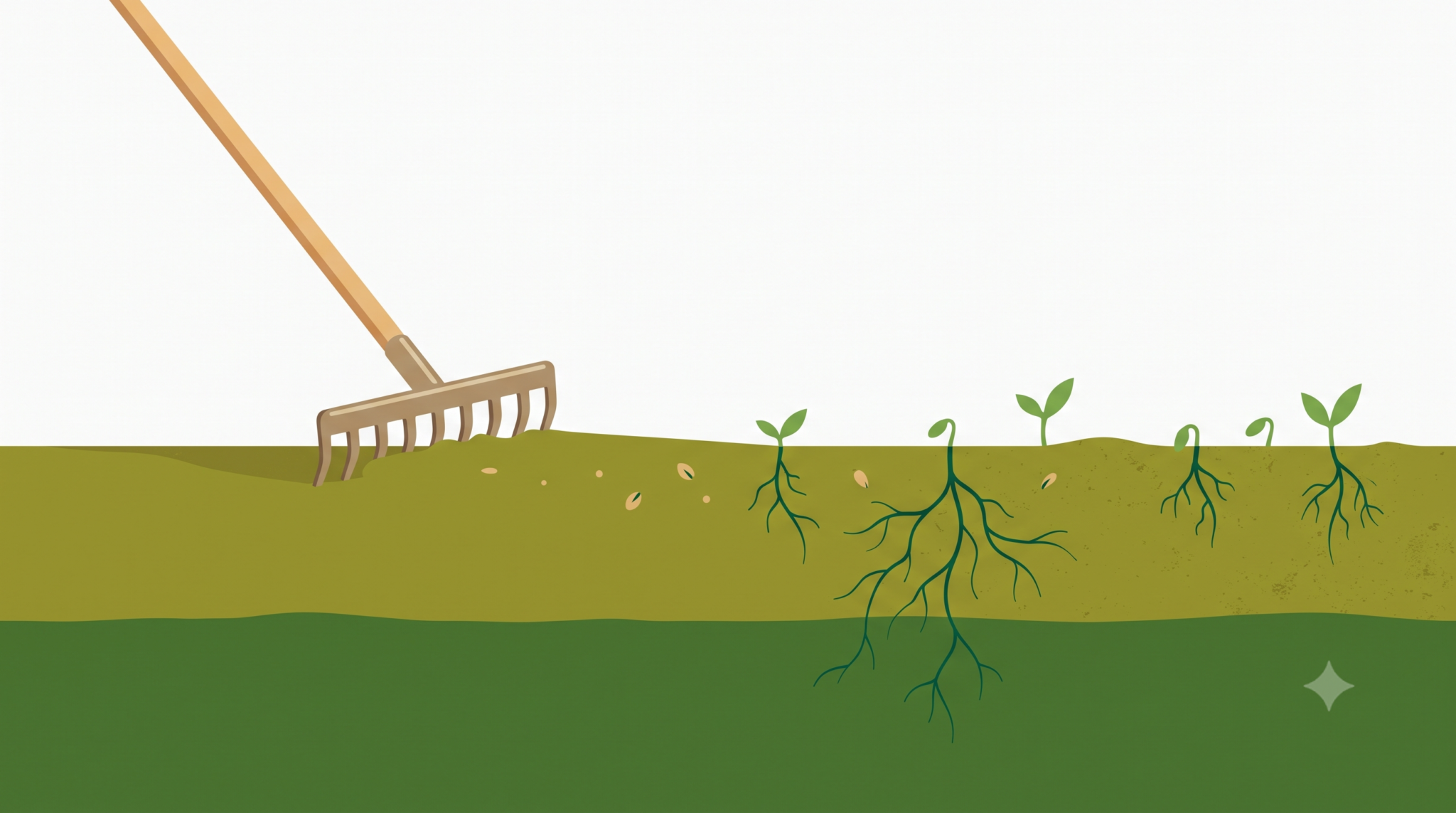
Why is site preparation so important before seeding?
Proper soil preparation is the single biggest factor in seeding success. It ensures seed-to-soil contact, allows roots to penetrate deeply, and prevents issues like pooling water or uneven growth.
Can you spray hydroseed directly over existing weeds or grass?
No. Hydroseed must make direct contact with bare soil. Spraying over existing weeds or dead grass will block the slurry, prevent germination, and lead to project failure.
Do I need to remove rocks and debris before you arrive?
Yes. During final grading please remove all rocks larger than a quarter, as well as sticks, roots, trash and any construction debris. A clean surface ensures an even seed application and prevents future damage to your lawnmower.
Grading & Tilling
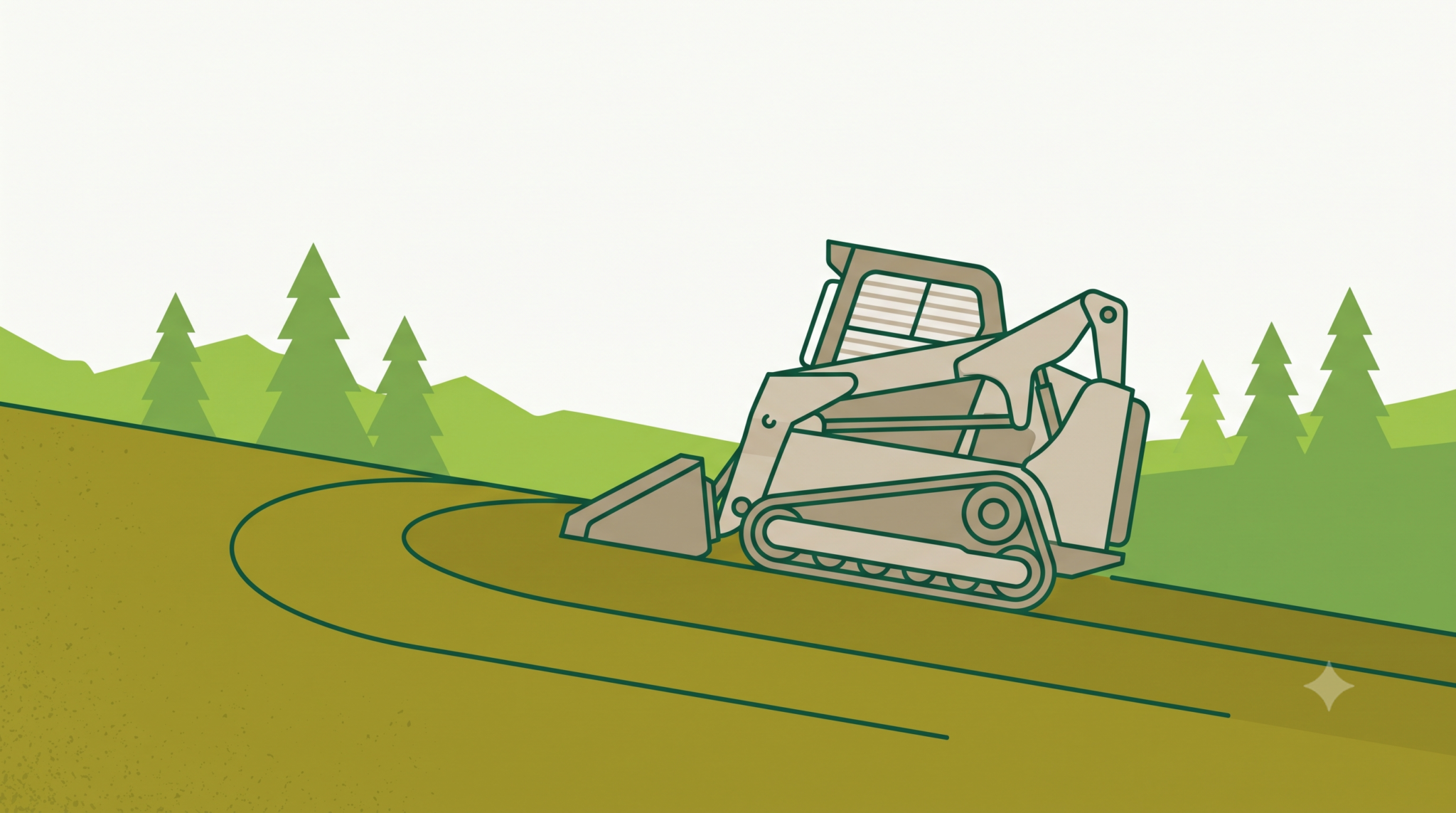
What is rough grading versus final grading?
Rough Grading: Shaping the land to match the general slope of your property and properly directing water drainage away from foundations and other structures or areas of importance. This includes the initial breakup of the soil using a tiller to loosen the top 2-4 inches of soil around the site and bringing in any imported soil materials that are needed to be added to the site’s soil, like compost amendments.
Final Grading: Raking the top layer smoothly to remove small tire ruts, clods, and low spots right before seeding.
How deep should I till or loosen the soil?
Rototill or loosen the top 2 to 4 inches of soil. If the ground is packed too hard, the new grass roots will struggle to break through and establish a deep root system.
My soil is pure clay. What should I do?
We highly recommend tilling in 2 to 4 inches of organic compost or planters mix amendment. This breaks up heavy Colorado clay, improves drainage, and adds vital nutrients.
Weed & Turf Management
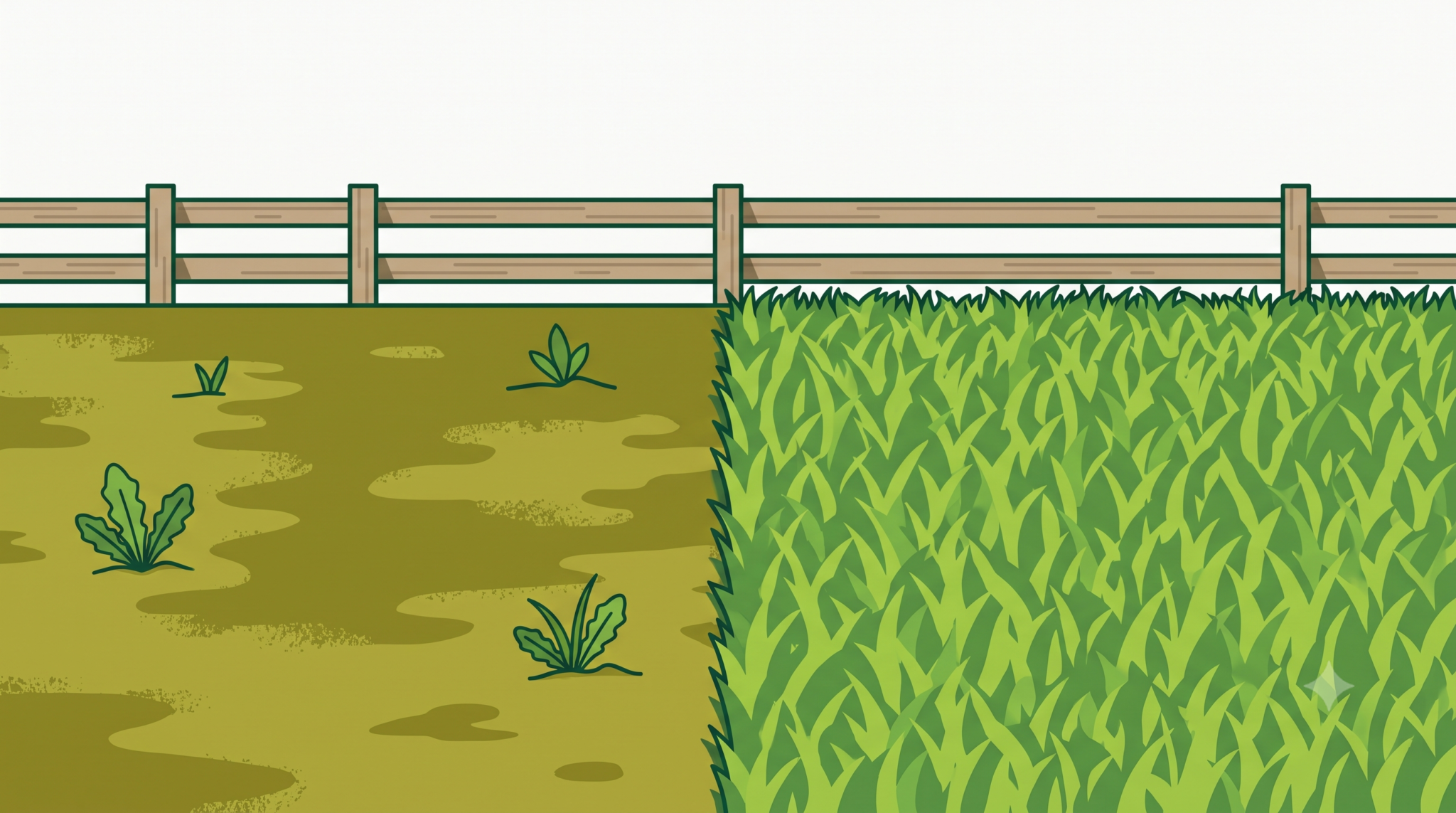
How do I eliminate existing weeds before seeding?
Apply a non-selective herbicide (like glyphosate) to the area. Wait 7 to 10 days for the weeds to die completely, then clear out the dead vegetation before rough grading and initial tilling is completed.
If the area had significant weed pressure prior to rough grading, it is ideal to water the site and sprout any weed seeds that might still be in the soil to clear out a second time, after rough grading/tilling but before final grading is completed.
When should I do the final weed spray?
Complete all herbicide applications at least one week prior to your scheduled seeding date. This ensures the chemical has fully dissipated and will not harm the new seeds.
Should I water the dirt before the seeding day?
Keep the soil dry or only slightly damp on application day. Muddy ground creates deep footprints during spraying and prevents the hydroseed mulch from adhering properly.
Do I need to have my sprinkler system ready?
Yes for lawns. You will need to have some form of an automatic irrigation system in place to be able to water on a set schedule. Please test it before we arrive to ensure 100% head-to-head coverage with no leaks or problem areas. Major adjustments of the sprinklers after seeding will disturb the fresh mulch.
Native grass areas may not have the ability to fully irrigate the site, however finding a way to set up a temporary irrigation system greatly speeds up seed growth and establishment of the grasses during the first year of growth. If there is no way to provide additional water for seed establishment the timing of planting is very important. We would then recommend late fall or early spring planting for the best chance to benefit from the wetter seasons.
Do I need to flag my utility lines or sprinkler heads?
Yes, if we are drill seeding the site, however not necessary for Hydroseeding. Please clearly mark all sprinkler heads, valve boxes, shallow utility lines, or invisible dog fences with flags so our planting equipment doesn’t disturb or damage anything underground.
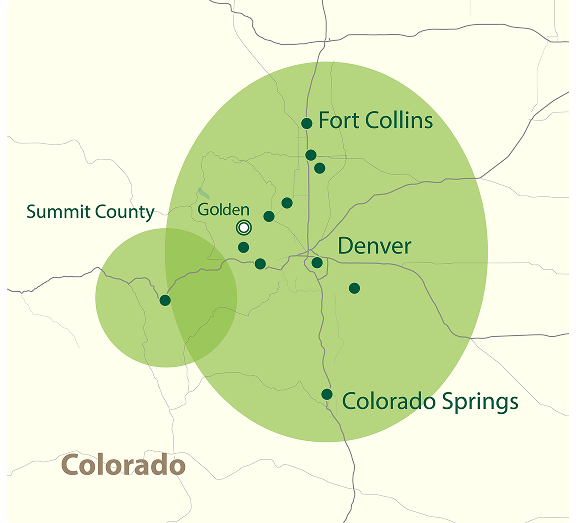
Colorado Service Areas for Hydroseeding
Colorado Hydroseeding Blog by SeedSprayers
HIYDROSEEDING
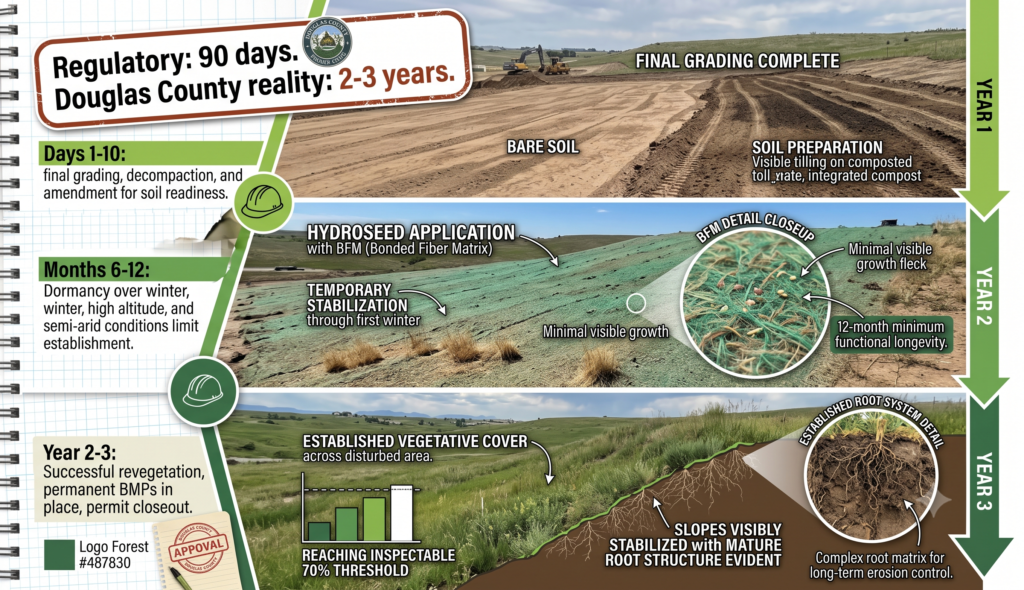
CDPHE COR400000: The 70% Native Cover Rule That Closes Your Construction Permit
Scaling revenue beyond the founder.
Cora Bicknell
April 25, 2026
HIYDROSEEDING
CDPHE COR400000: The 70% Native Cover Rule That Closes Your Construction Permit
Scaling revenue beyond the founder.
Cora Bicknell
April 25, 2026
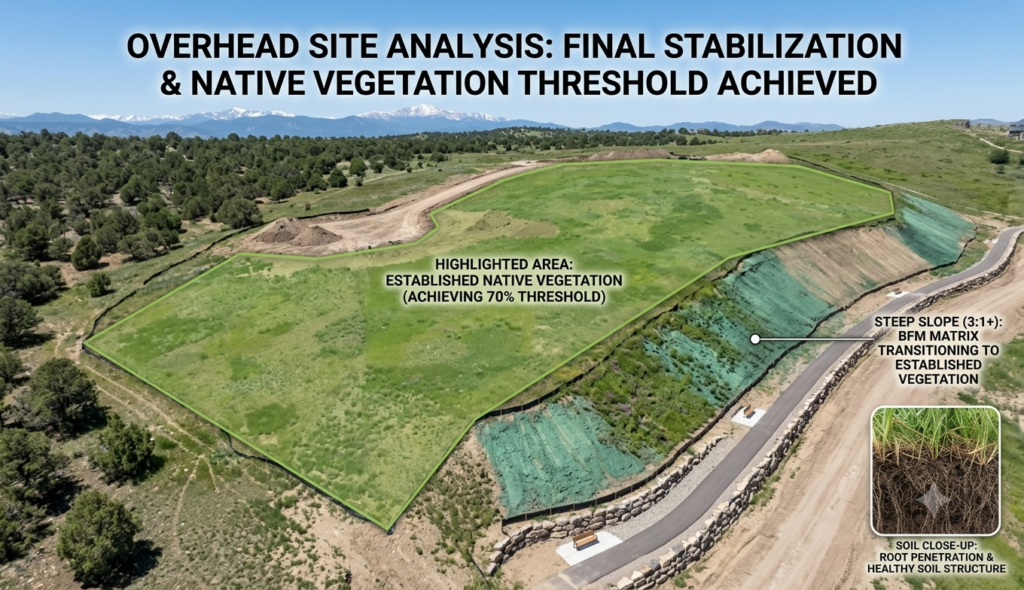
HIYDROSEEDING
CDPHE COR400000: The 70% Native Cover Rule That Closes Your Construction Permit
Scaling revenue beyond the founder.
Cora Bicknell
April 25, 2026
See All Blogs>

Professional seed installation and soil conditioning since 2015.
© 2026 Seed Sprayers. All rights reserved. Licensed & Insured in Colorado.