Home> Services> New Construction & Land Development
Colorado Hydroseeding for New Construction & Land Development
(GESC Compliance)
Post-construction revegetation
(GESC compliance)
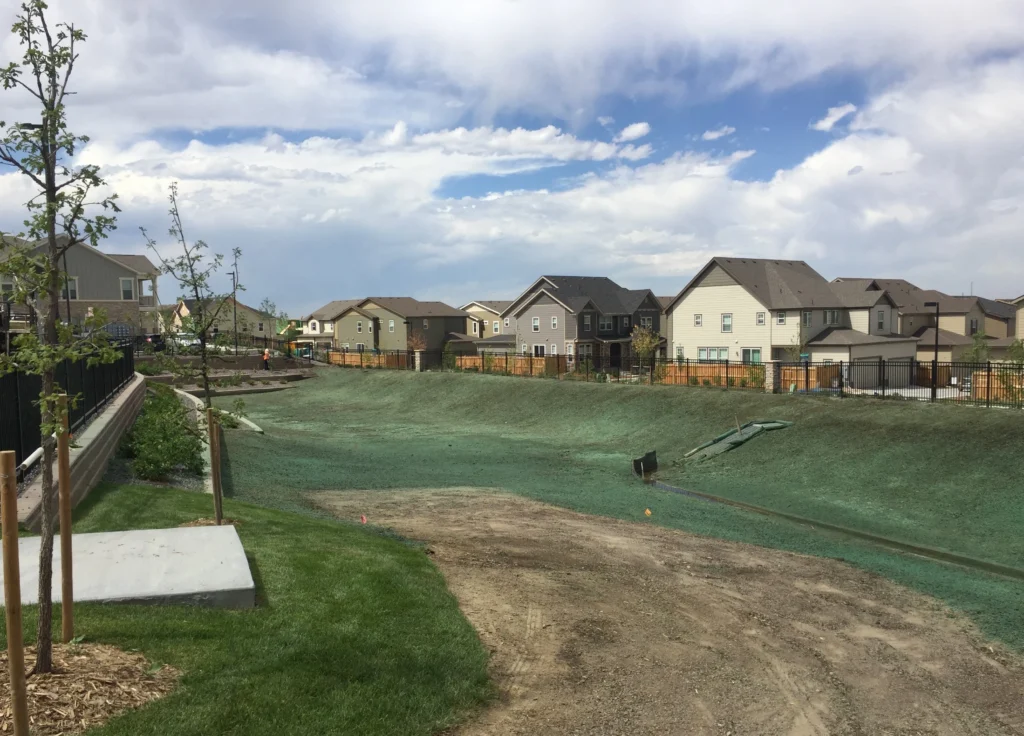
SeedSprayers specializes in planting vegetation and helping with erosion control on land disturbed by construction in both the commercial and residential sectors. These disturbances include new driveways, new house construction, land development, remodels, garages, pole barns or outbuildings, sidewalks, park construction, or any construction activities that disturb the soil and existing vegetation.
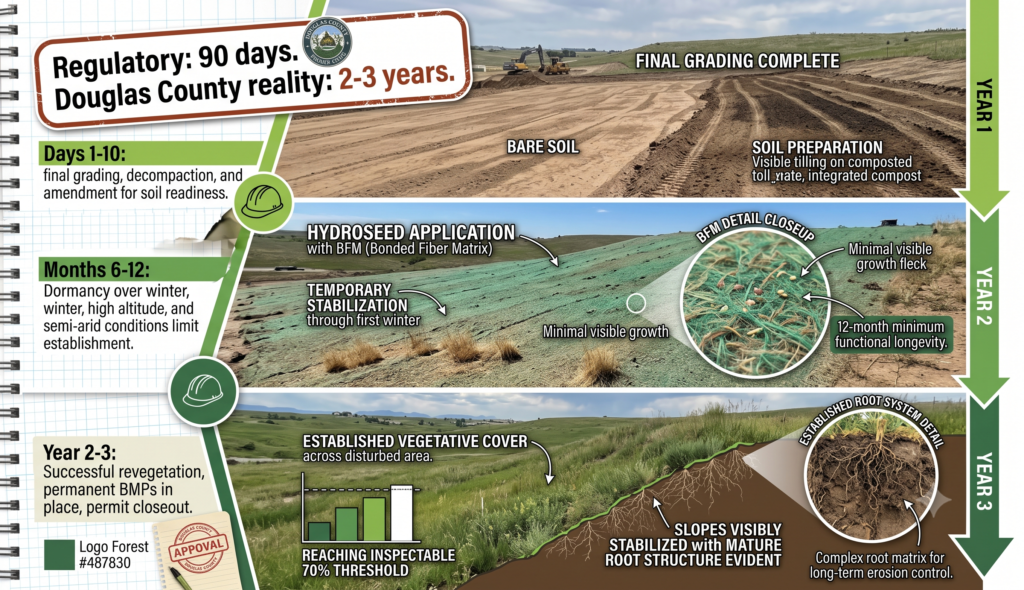
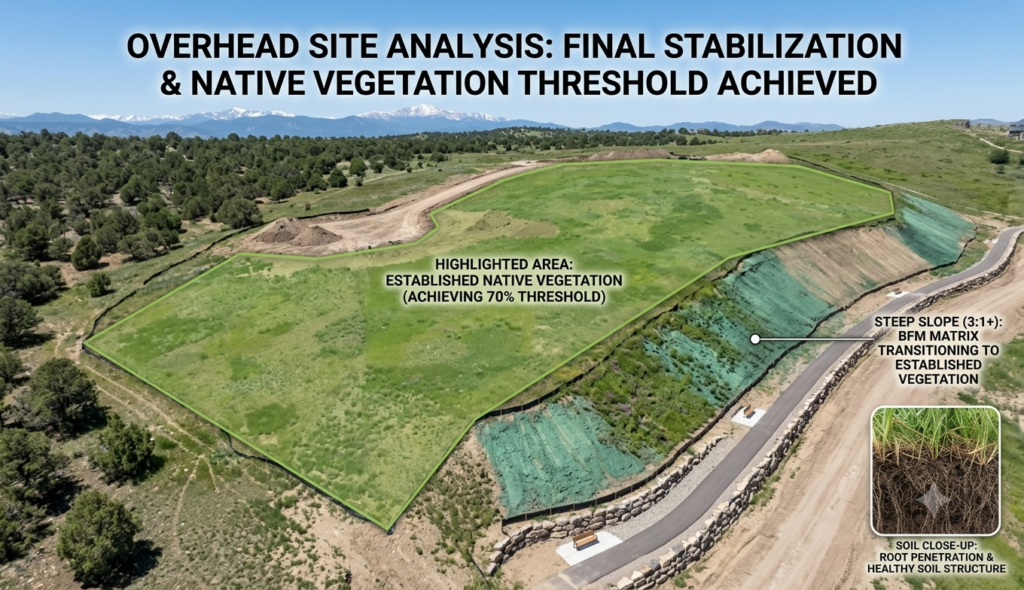
Often to meet City, Town or County requirements for permanent vegetative cover, property owners must typically ensure that all disturbed areas get seeded and have proper erosion protection measures installed. The end goal is to reach “final stabilization” with minimal soil erosion from the site. This is often defined as establishing a uniform vegetative cover with a set density goal by the inspecting entity.
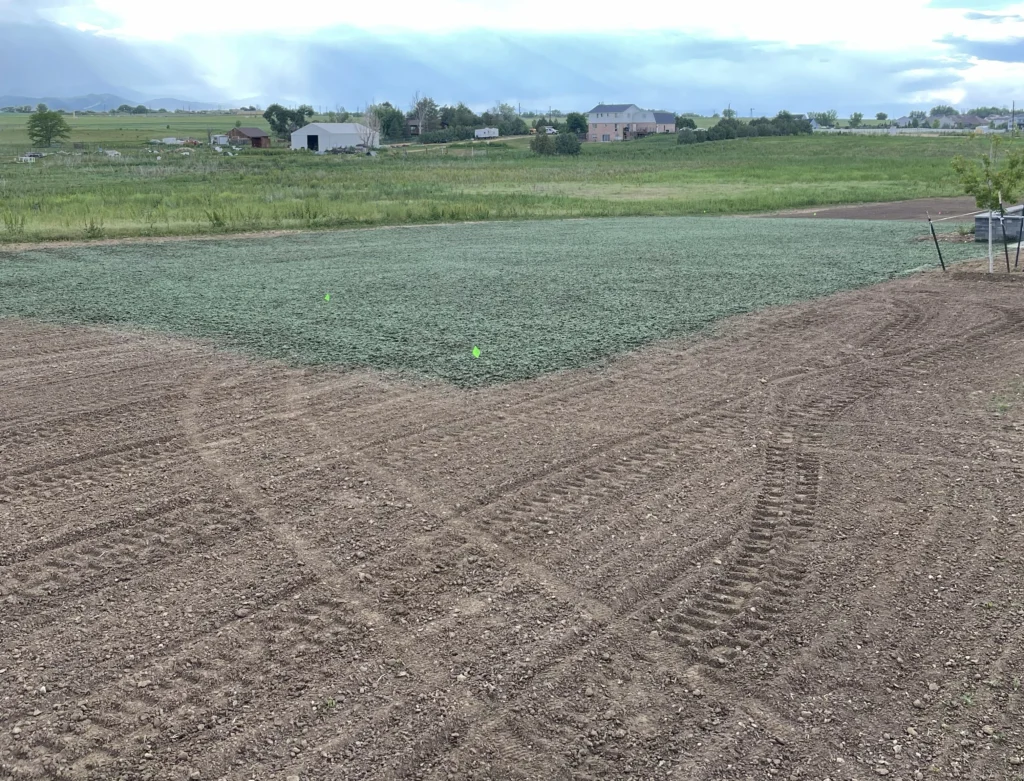
Combining drill seeding with a hydroseeding slurry topcoat is our "multi-step" process that is recommended where possible and sometimes required by GESC standards. Drill seeding provides the direct seed to soil contact and exact depth seed placement that provides the ideal planting conditions for the seed, while the hydroseed slurry acts as an immediate "erosion blanket" to prevent soil movement and seed protection.
Drill seeding alone can leave seeds vulnerable to being blown away because most grass species want to be planted shallow, in the top layers of soil. Adding a hydroseed layer with tackifiers (glue) binds the seed to the soil and provides a moisture-rich environment.
Many counties including Douglas and Boulder often prefer drill seeding for native grass and reclamation seed mixes because it provides a more exacting seed placement in the soil, but they will require a mulch layer to prevent erosion. They also will approve hydroseeding for soil stabilization and hydroseeding on steeper slopes.
SeedSprayers offers county-compliant native seed blends as well as the ability to get most possible seed mixes custom blended to meet the site requirements or customer interests.
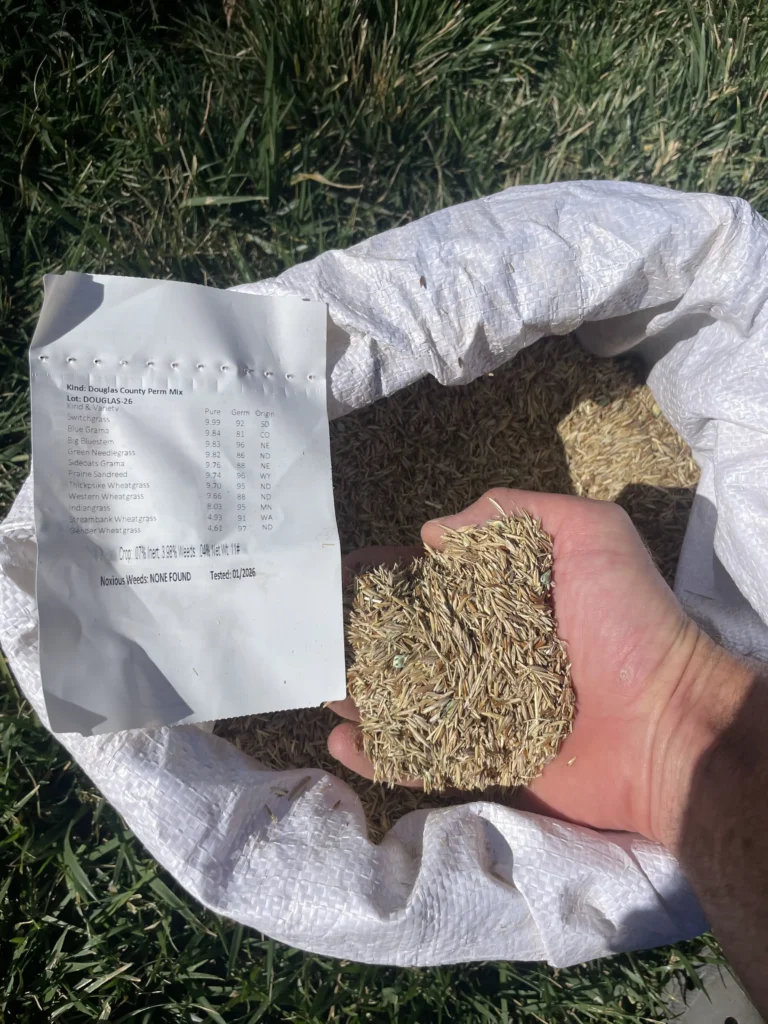
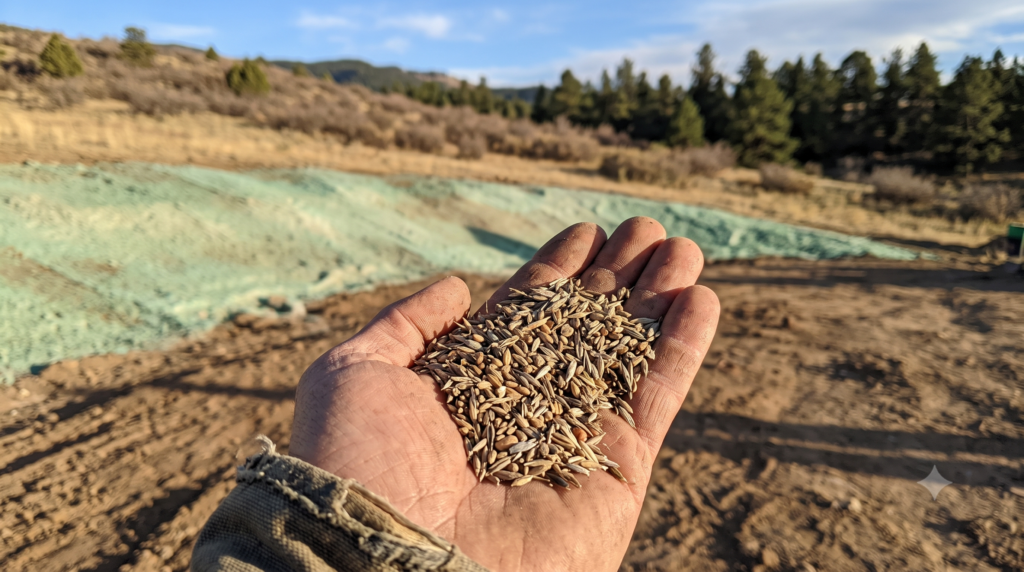
SeedSprayers uses only certified seed from trusted suppliers. In Colorado, using certified seeds for hydroseeding is often a legal and practical requirement to ensure the success of a project and compliance with state environmental laws.
Legal Compliance (Noxious Weed Prevention)
Colorado Seed Act: State law requires that all seed sold in Colorado be accurately labeled for purity and germination. Using certified seed ensures you aren't inadvertently planting prohibited noxious weeds (like Russian Thistle or Leafy Spurge), which are strictly regulated.
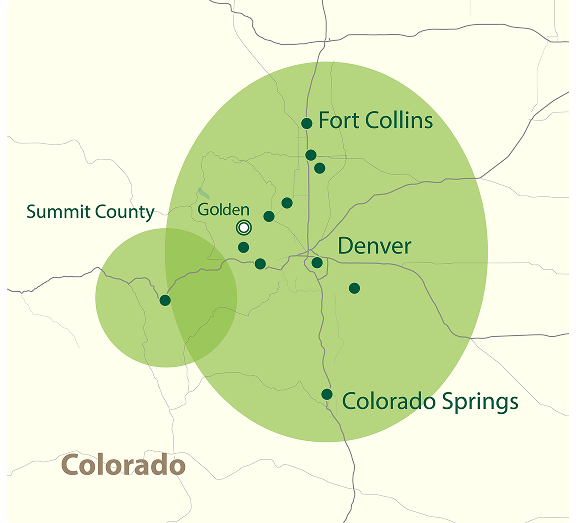
Post-Construction Requirements: For most construction projects, local municipalities (e.g., Colorado Springs, Douglas County or Golden) require contractors to provide a signed statement or "Blue Tag" certifying the seed lot was laboratory tested for purity and weed content within the last six months.
SeedSprayers Selection Process for New Construction & Land Development
Certified seeds are tested to meet minimum standards, usually 85% or higher. This is critical in Colorado’s arid climate, where you need every seed to count to reach the required 70% final stabilization coverage.
Genetic Identity
Certification ensures the "genetic potential" of the variety—meaning if you pay for a specific drought-tolerant native blend, you are actually getting those traits rather than a generic or "garage blend".
Protection Against
"Seed-Borne" Failure
Professional Conditioning
Certified seeds must be processed at approved facilities to remove inert matter and less vigorous seeds, leading to a "purer" product (typically 98% purity).
Disease Resistance
The certification process includes field inspections to check for seed-borne diseases that could kill off a new lawn before it establishes.